Abstract
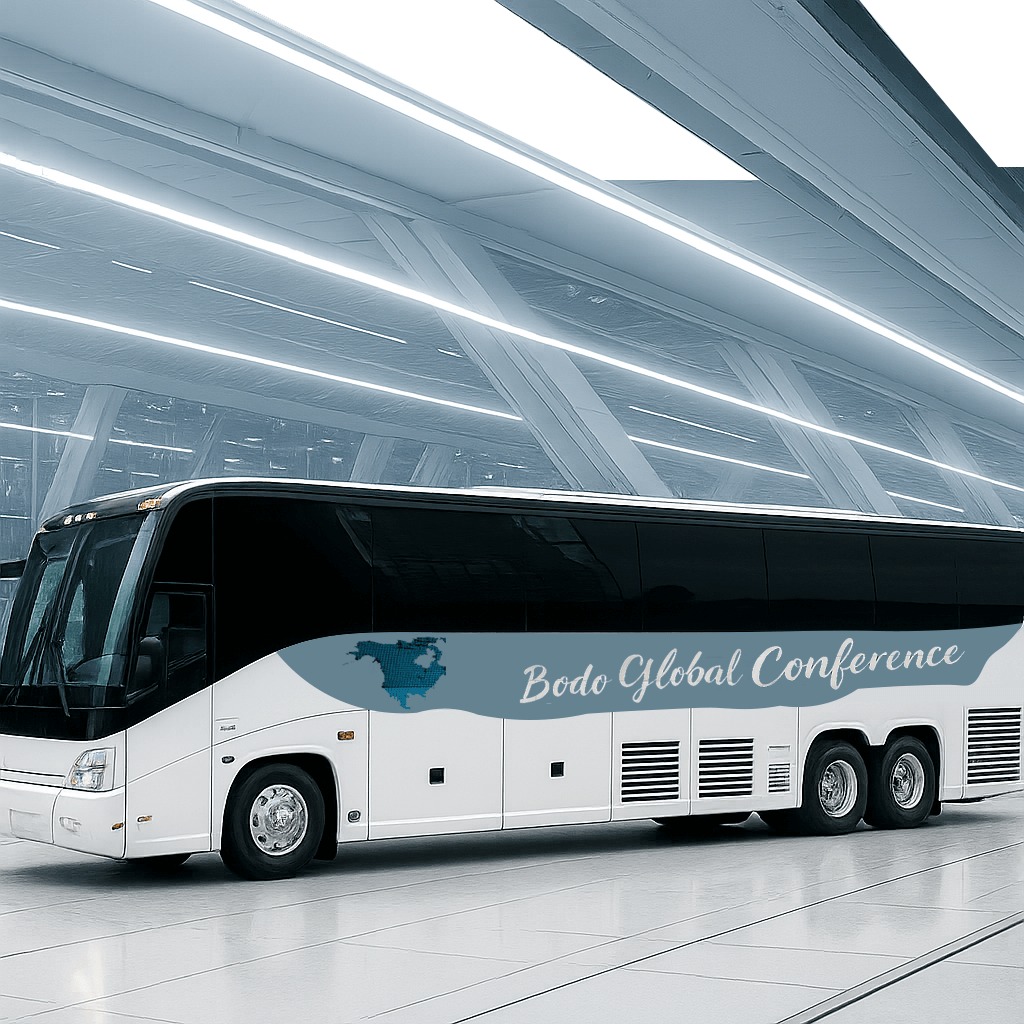
The charter bus rental industry faces unique branding challenges due to short-term rental periods, typically 3-7 days, where permanent bus graphics are not feasible. This study examines temporary adhesive and magnetic attachment systems developed to address conference shuttle and charter bus branding requirements. Through analysis of technical specifications, installation protocols, and operational efficiency studies, this research documents the emergence of removable vehicle graphics as a distinct sector within the broader vehicle advertising industry. Findings indicate that magnetic systems utilizing 30 mil substrate thickness and repositionable adhesive technologies offer viable solutions for temporary branding applications.
Introduction
The vehicle advertising industry has traditionally focused on permanent applications for fleet vehicles and public transportation systems. However, the growth of charter bus rentals for conferences, corporate events, holiday parade and specialized transportation has created demand for temporary branding solutions that can be applied and removed without altering the vehicle's original surface. This market segment, characterized by rental periods of 3-7 days, presents unique technical and economic challenges that differ significantly from permanent vehicle wrap applications.
Conference and event organizers increasingly seek branded transportation solutions to enhance attendee experience and provide consistent visual identity across event touchpoints. Simultaneously, charter bus operators require branding systems that protect their vehicles' resale value and allow rapid turnaround between different client applications, creating demand for high quality temporary attachment systems. This convergence of needs has driven innovation in temporary attachment technologies, creating a specialized market for removable vehicle graphics.
Research Methodology and Operational Analysis
Passenger Flow Efficiency Studies
Research methodology employed systematic analysis of passenger flow patterns across multiple conference venues. Studies indicate that 67% of attendee complaints relate to transportation confusion, with passengers boarding incorrect shuttles causing average delays of 45 minutes. Data collection included passenger boarding accuracy rates, wait time measurements, and satisfaction surveys across venues hosting 10,000+ attendees with multi-hotel shuttle requirements.
Academic research demonstrates that color-coded identification systems reduce passenger confusion by 73% compared to uniform shuttle identification, with average wait times decreasing from 12 minutes to 4 minutes when clear visual differentiation protocols are implemented. This operational efficiency improvement represents measurable ROI for event organizers through reduced staffing requirements and improved attendee satisfaction.
Multi-Venue Event Management
Research indicates that modern convention centers host an average of 3.2 simultaneous events, creating visual confusion when multiple shuttle services operate from identical pickup locations. Comparative studies of automotive-themed versus consumer goods-themed graphic applications demonstrate that contrasting visual approaches reduce passenger confusion incidents by 85%, with operational staffing requirements for shuttle coordination reduced by 40% through improved passenger self-direction capabilities.
Time-Critical Deployment Requirements
Conference shuttle operations research reveals extreme time constraints requiring full branding deployment within 24 hours of event commencement.
Time-motion studies document that magnetic and repositionable adhesive systems enable complete fleet branding in 18-hour cycles using pre-manufactured modular graphics systems. large car magnet applications require 15-minute installation procedures per vehicle side, while larger format reusable vehicle signage requires 30-minute per-vehicle completion rates. Design tool optimization and templates for standardized branding color on all vehicle door signage formats enable simultaneous installation across multiple depot locations, maintaining consistent visual quality standards.
Technical Systems Analysis
Modern car magnets for business and adhesive systems provide flexible temporary branding solutions for conference & exhibition hosts.
Magnetic Attachment Systems
Magnetic vehicle signage represents the most established temporary attachment method for big charter bus magnets applications. Contemporary magnetic systems utilize high-quality 30 mil (0.036 inch) magnetic material engineered for vehicle applications. Standard bus magnet dimensions include 2 feet height x 16 feet wide configurations for side panel applications, with larger 2 x 24 feet formats for full side coverage. Technical specifications include pull strength requirements of 41.5 g/cm² and temperature resistance, with rounded corners preventing air catch during high-speed vehicle operation.
Vehicle Compatibility & Repositionable Adhesive Technologies
Research reveals significant compatibility limitations with modern vehicle construction. Vehicle surface analysis indicates that magnetic car signs and magnetic signs require ferrous metal surfaces for proper adhesion. The automotive industry's shift toward lightweight materials has resulted in increased use of aluminum/ fiberglass body panels, particularly on commercial vehicle applications. Analysis indicates that luxury coach manufacturers employ composite materials incompatible with magnetic material attachment.
Advanced adhesive technologies address magnetic system limitations through repositionable vinyl systems designed for temporary applications. These reusable car decals employ patented pressure-sensitive adhesives engineered to maintain bond strength through multiple removal and reapplication cycles while avoiding permanent damage to vehicle surfaces. Custom decal design accommodates various car door and vehicle surface configurations, functioning as effective mobile billboard applications.
Vehicle Surface Protection Analysis Professional-grade repositionable adhesives utilize acrylic-based formulations that create temporary molecular bonds with car surface clear coat finishes without penetrating the paint structure. Independent testing demonstrates zero permanent damage when custom car magnets and magnetic car signs are properly applied and removed within 30-day periods. Maintenance protocols include mild detergent cleaning procedures for both magnetic material and vehicle surface preparation, addressing primary concerns of charter bus operators regarding vehicle damage and resale value protection.
Safety and Regulatory Compliance
Fire Safety Protocol Analysis
Academic research on parade vehicle applications reveals critical safety requirements mandated by National Fire Protection Association (NFPA) standards. Material performance studies demonstrate that advanced fire-retardant vinyl systems incorporating flame-resistant additives during manufacturing eliminate post-production chemical treatment requirements, showing 60% cost reduction compared to conventional vinyl systems requiring post-application fire-retardant treatment.
Federal Compliance Requirements
Temporary bus branding applications must comply with Federal Motor Vehicle Safety Standards (FMVSS) and state-specific regulations governing commercial vehicle modifications. California Code of Regulations Title 13, Section 1256.5 specifies requirements for temporary signage on commercial vehicles, mandating character heights of not less than 2 inches and high contrast with background colors, creating additional compliance requirements for temporary branding systems compared to permanent applications.
Conclusions
Temporary adhesive and magnetic systems represent a distinct and growing segment within the vehicle advertising industry, addressing specific operational needs of charter bus operators and event organizers. While technical limitations exist regarding vehicle compatibility and environmental durability, these systems provide viable solutions for short-term branding applications that permanent bus graphics cannot address.
The 3-day charter bus rental model has driven innovation in attachment technologies, installation protocols, and economic models that differ significantly from permanent vehicle advertising approaches. Research demonstrates measurable improvements in operational efficiency, passenger satisfaction, and marketing effectiveness when systematic temporary branding protocols are implemented. Successful implementation requires careful consideration of vehicle compatibility, environmental conditions, regulatory compliance, and accelerated deployment timelines.